We are living in one of the most exciting periods in human history. In 2026, technology is no longer just a tool — it is the backbone of nearly everything we do. From the moment you wake up and check your smartphone to the AI-powered systems diagnosing diseases in hospitals, technology has silently woven itself into the fabric of everyday life.
But what does this transformation actually look like across different industries? Who is driving it? When did it begin to accelerate? Why does it matter? And most importantly — how does it affect YOU?
In this comprehensive guide, we explore how technology is reshaping healthcare, education, agriculture, finance, transportation, cybersecurity, and more — with real data, expert insights, and predictions for 2027. Whether you are a student, a professional, or simply a curious reader, this article will change the way you think about the world around you.
Table of Contents
1. The Big Picture: Where Are We in 2026?
The global Artificial Intelligence market was valued at $390.91 billion in 2025 and is projected to reach a staggering $3.49 trillion by 2033, growing at a compound annual growth rate (CAGR) of 30.6%, according to Grand View Research. These are not just numbers — they represent a fundamental shift in how humanity operates.
According to IBM’s 2026 Tech Trends Report, AI is shifting from individual usage to full team and workflow orchestration. It no longer just answers your questions — it anticipates them. It does not just automate simple tasks — it coordinates entire business processes from start to finish.
Gartner, one of the world’s leading technology research firms, identified ten key strategic technology trends for 2026, organized under three core themes: building resilient foundations, orchestrating intelligent systems, and protecting enterprise value. Every organization, from hospitals to schools to banks, is now operating under these pressures.
Key Global Technology Statistics for 2026
| Field | Key Stat | Source |
| AI Market Size (2025) | $390.91 Billion | Grand View Research |
| AI Market Projection (2033) | $3.49 Trillion | Grand View Research |
| AI in Healthcare Investment | 54% of digital health funding | Rock Health |
| Organizations Using AI (2024) | 78% globally | Stanford HAI |
| US Private AI Investment (2024) | $109.1 Billion | Stanford HAI |
| AI Contribution to Economy (2030) | $15.7 Trillion projected | University of Cincinnati |
| AI in Banking (2025) | 78% tactically adopting GenAI | Unified AI Hub |
| Global AI Jobs by 2025 | 97 Million new roles | World Economic Forum |
2. Technology in Healthcare: Saving Lives at Machine Speed
Of all the sectors being transformed by technology, healthcare stands out as the most impactful and urgent. The question is not just about efficiency — it is about human lives.
What Is Happening in Healthcare Technology Right Now?
According to Stanford University’s 2025 AI Index Report, the FDA approved 223 AI-enabled medical devices in 2023 alone — up from just 6 in 2015. That is a 3,600% increase in less than a decade. By 2026, that number has grown significantly further.
Major hospital systems including Mayo Clinic, Mount Sinai, and Cleveland Clinic have launched dedicated AI centers. Mayo Clinic alone launched a $10 million AI education program in 2025 to train its medical staff. Cleveland Clinic partnered with the Novo Nordisk Foundation to integrate quantum AI into biomedical research.
How Is AI Being Used in Hospitals Today?
- Ambient AI Scribes: Tools like Microsoft’s Dragon Copilot listen to doctor-patient conversations and automatically generate clinical notes, saving physicians up to 40% of documentation time.
- Diagnostic AI: AI systems are outperforming human radiologists in detecting certain cancers, especially in mammography and lung CT scans, reducing misdiagnosis rates significantly.
- Predictive Analytics: AI analyzes patient data to predict deterioration before it happens, allowing earlier interventions and reducing ICU admissions.
- Drug Discovery: AI can analyze millions of molecular compounds in hours — a process that used to take years — accelerating the development of new medicines.
- Revenue Cycle Automation: Healthcare AI is saving an estimated $9.8 billion through AI-powered revenue cycle automation, according to TruBridge.
Who Is Leading Healthcare Technology?
The major players in healthcare AI include Epic Systems, Oracle Health, IBM Watson Health, Google Health, and Microsoft Azure Health. According to Healthcare Dive, in 2026, electronic health record vendors like Epic are increasingly integrating AI directly into their systems, making AI-powered healthcare accessible to more hospitals than ever before.
2027 Prediction: What Comes Next?
By 2027, we expect AI-assisted surgery to become mainstream in top-tier hospitals. Robotic surgical systems guided by AI will reduce human error and allow surgeons to perform procedures remotely. Personalized medicine — where treatments are tailored to your individual genetic profile — will move from experimental to standard care.
3. Technology in Education: The Classroom Is No Longer Four Walls
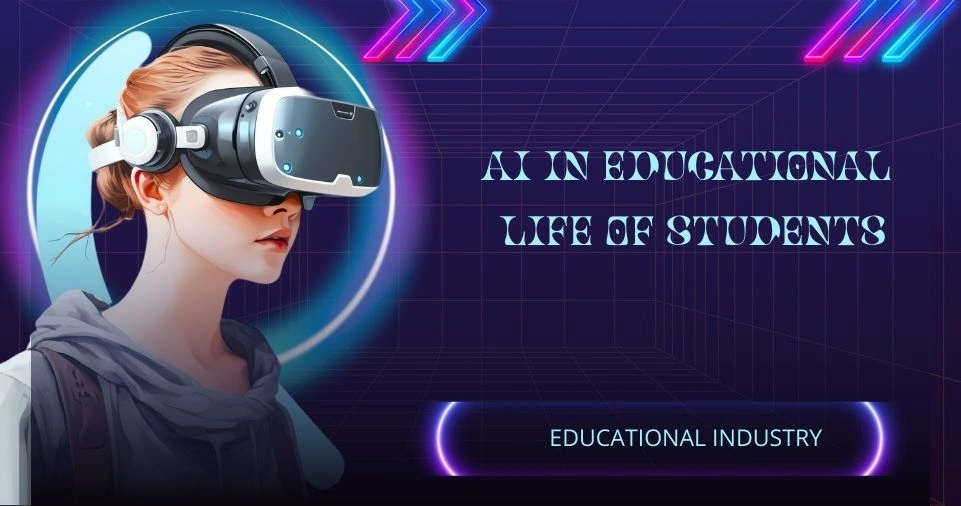
Education is undergoing its most radical transformation since the invention of the printing press. And unlike previous revolutions, this one is happening at extraordinary speed.
When Did EdTech Really Take Off?
While digital tools in education have existed since the 1990s, the real acceleration began with the COVID-19 pandemic in 2020. By 2026, however, we are no longer talking about simple video calls and PDFs. We are talking about AI-powered adaptive learning platforms, intelligent tutoring systems, and immersive virtual reality classrooms.
How Technology Is Changing Education in 2026
- Adaptive Learning Platforms: AI systems analyze how each student learns and adjust the curriculum in real time, making personalized education possible at scale.
- AI Tutors: Tools like Khan Academy’s Khanmigo use advanced AI to tutor students 24/7, answering questions and providing explanations at any hour.
- Virtual Reality (VR) Classrooms: Students can now take virtual field trips to ancient Rome, walk through the human body, or practice surgical procedures — all from their school.
- Automated Grading: AI can now grade essays and complex assignments with high accuracy, freeing teachers to focus on mentorship and human connection.
- Language Learning AI: Tools powered by large language models are making language acquisition faster and more effective than traditional methods.
The Skills Gap Is Real
Despite all this progress, a critical challenge remains. A recent study found that 55% of graduates said their university programs did not adequately prepare them to use AI tools. Meanwhile, 65% of higher education students reported knowing more about AI than their own instructors.
The good news? Students who do receive AI training report massive benefits — 94% say it positively impacted their careers, including faster promotions, higher salaries, and greater job stability.
Spending on AI in education is expected to surpass $32 billion by 2030, reflecting how seriously the world is taking this challenge.
4. Technology in Agriculture: Feeding the World Smarter
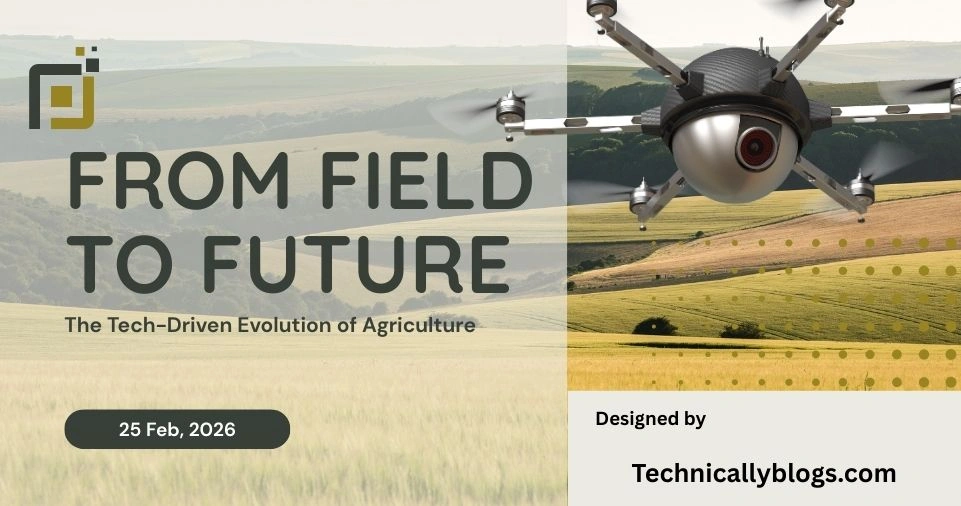
Agriculture and technology may seem like an unlikely pairing, but in 2026, they are inseparable. With a global population expected to reach 10 billion by 2050, feeding the world is one of humanity’s greatest challenges — and technology is stepping up.
How Is Technology Transforming Farming?
- Precision Agriculture: GPS-guided tractors, drones, and satellite imagery allow farmers to monitor crops at a granular level, reducing water waste by up to 30% and increasing yields significantly.
- CRISPR Gene Editing: Unlike older GMO methods that introduce foreign genes, CRISPR edits only the plant’s existing genome. Field trials of CRISPR-edited crops in 2025 and 2026 are showing increased yields and greater climate resilience, according to the CAS Science Team.
- AI-Powered Pest Detection: Machine learning models analyze images from drones to detect early signs of disease or pest infestation, allowing farmers to act before crops are destroyed.
- IoT Soil Sensors: Internet of Things sensors placed in fields measure moisture, temperature, and nutrient levels in real time, sending data directly to a farmer’s smartphone.
- Autonomous Farm Equipment: Self-driving tractors and robotic harvesters are reducing labor costs and enabling 24/7 farming operations.
The CRISPR Agriculture Revolution: Where, When, and Who
CRISPR technology in agriculture is being advanced primarily by researchers in the United States, China, and the European Union. Companies like Inari Agriculture, Pairwise, and Benson Hill are leading the commercialization of CRISPR crops. Regulatory frameworks are evolving rapidly — the US and UK have already moved to distinguish CRISPR-edited crops from traditional GMOs, making approval pathways faster.
5. Technology in Finance: Money Is Going Digital — Fast
The finance industry has always been data-driven, but in 2026, AI has completely reimagined how money moves, how decisions are made, and how fraud is prevented.
How AI Is Changing Banking and Finance
- Fraud Detection: AI systems analyze millions of transactions per second, identifying unusual patterns that indicate fraud in real time — something no human team could do at this scale.
- Personalized Financial Advice: AI-powered robo-advisors now provide investment recommendations tailored to individual risk profiles, income levels, and life goals.
- Algorithmic Trading: Machine learning models execute trades in microseconds, analyzing market data far faster than any human trader.
- Credit Scoring: AI is replacing traditional credit scoring models, using alternative data points to give loans to people previously excluded from the financial system.
- Chatbots and Customer Service: AI chatbots handle millions of customer inquiries simultaneously, reducing wait times and operating costs.
The Numbers Tell the Story
The generative AI in banking market jumped from $1.3 billion in 2024 to $1.75 billion in 2025 and is projected to reach $5.74 billion by 2029. In 2025, 78% of banks were tactically adopting generative AI — a massive leap from just 8% in 2024, according to Unified AI Hub.
AI is also expected to contribute up to 13.6% of the GCC region’s GDP through the banking sector alone by 2030, according to Fortune Business Insights.
6. Technology in Transportation: The Road to Autonomy
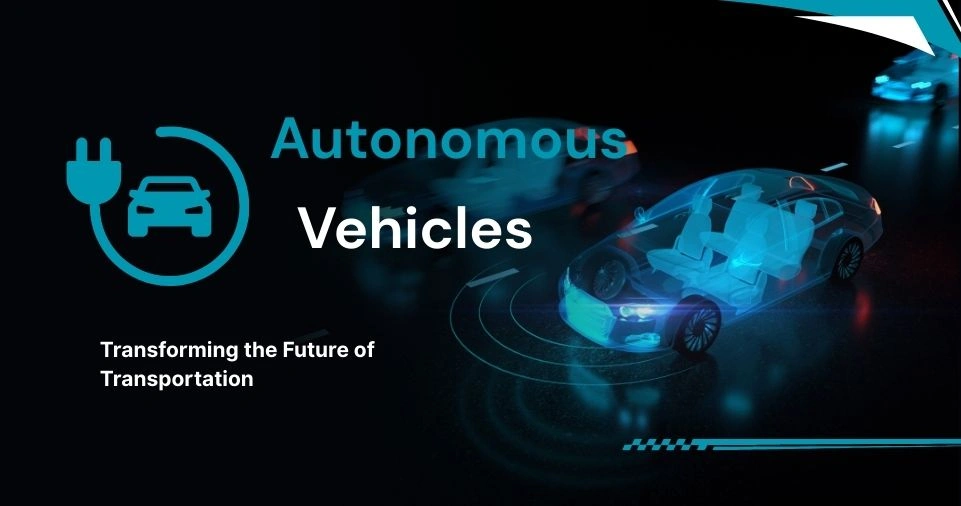
Self-driving cars were once the stuff of science fiction. In 2026, they are a commercial reality in multiple major cities around the world.
Autonomous Vehicles: Where Are We Now?
Waymo, one of the largest autonomous vehicle operators in the United States, provides over 150,000 autonomous rides every single week. Baidu’s Apollo Go robotaxi fleet operates across numerous cities in China. These are not test pilots — they are fully commercial operations.
According to ESADE’s 2026 Technology Trends report, driverless vehicles already operate 24/7 in many major US and Chinese cities. Their expansion is expected to reduce privately owned vehicles, ease urban congestion, and fundamentally reshape city design.
The Logistics Revolution
Autonomous trucks combined with new sodium-ion battery technology are set to drastically reduce logistics costs in 2026. Sodium batteries — made from abundant materials like salt — are cheaper and longer-lasting than lithium alternatives. This will shorten supply chains, reduce inventories, and give significant competitive advantages to industries that adopt early.
2027 Prediction
By 2027, fully autonomous highway trucking will be operational in the US and Europe. Urban air mobility — electric air taxis — will begin limited commercial operations in select cities. Public transportation networks will increasingly use AI for dynamic routing, reducing empty-vehicle travel and cutting emissions.
7. Technology in Cybersecurity: Fighting Fire With Fire
As technology advances, so do the threats. In 2026, cybersecurity is not just a corporate concern — it is a national security priority and a personal responsibility.
The Threat Landscape in 2026
- AI-Powered Attacks: Cybercriminals are now using AI to create more sophisticated phishing emails, generate malware, and find vulnerabilities faster than humans can patch them.
- Deepfake Fraud: AI-generated videos and audio are being used to impersonate executives and authorize fraudulent transactions — a form of attack that barely existed three years ago.
- Ransomware Evolution: Modern ransomware attacks are more targeted, faster, and harder to detect, with attackers using AI to identify the most valuable data to encrypt.
- Supply Chain Attacks: Hackers are targeting software vendors to inject malicious code that affects thousands of companies at once.
How Technology Is Fighting Back
Gartner’s 2026 Tech Trends identifies Preemptive Cybersecurity as a top strategic priority — shifting defense from reactive to proactive, using AI to block threats before they strike. AI Security Platforms are centralizing visibility and control across all applications. Digital Provenance tools verify the origin and integrity of software and AI-generated content, helping organizations detect tampering.
Confidential Computing is another breakthrough — it protects sensitive data while it is being processed, enabling secure AI analysis even on untrusted infrastructure.
8. Technology in Communication: The Connectivity Revolution
How we communicate has changed more in the last decade than in the previous century combined. In 2026, connectivity is faster, smarter, and more global than ever.
5G and Beyond
5G networks are now widely deployed across North America, Europe, East Asia, and many parts of the developing world. But 10G networks are already being tested in China, promising speeds and latency that will make current 5G seem slow. According to ESADE’s 2026 report, mobile phones connected directly to satellites — as Starlink is already enabling — will become increasingly common.
Brain-Computer Interfaces: The Next Frontier
Perhaps the most mind-bending development is the emergence of brain-computer interfaces (BCIs) in everyday life. According to The Digital Speaker’s 2026 Technology Trends Report, BCIs are no longer laboratory curiosities — they are appearing in consumer earbuds, smart glasses, and workplace tools. Systems from companies like Muse, Emotiv, and AlterEgo can reliably detect attention and intention with low latency.
This raises profound questions about privacy, consent, and human autonomy — questions that 2027 will force us to answer.
9. Technology in Space: The Final Computational Frontier
Space is no longer just for astronauts and satellites. In 2026, it is becoming a new frontier for computing itself.
The collaboration between NVIDIA and StarCloud produced the first AI model trained in orbit — demonstrating that space-based computing is not just feasible but potentially superior for certain applications. Space offers unique thermal and energy conditions ideal for data centers. As rocket launch costs continue to fall, more space-based computing projects will emerge in 2026 and 2027.
This development could fundamentally change the geography of the internet — with data processing happening above the atmosphere rather than in earth-bound data centers.
10. Technology in Daily Life: A Sector-by-Sector Overview
| Sector | Key Technology | Impact in 2026 | 2027 Outlook |
| Healthcare | Generative AI, Robotics | 54% of digital health funding in AI | AI-assisted surgery mainstream |
| Education | Adaptive Learning AI, VR | $32B spending by 2030 | AI tutors in every school |
| Finance | ML Trading, Fraud AI | 78% of banks using GenAI | Fully autonomous banking ops |
| Agriculture | CRISPR, Precision Farming | 30% reduction in water waste | CRISPR crops commercially available |
| Transportation | Autonomous Vehicles | 150K+ weekly Waymo rides | Highway autonomous trucking |
| Cybersecurity | Preemptive AI Defense | AI attacks increasing rapidly | AI vs AI cyber warfare |
| Communication | 5G, BCIs, Satellite | Global satellite connectivity | 10G networks in select markets |
| Space Tech | AI in Orbit | First AI model trained in space | Commercial space data centers |
11. Looking Ahead: Reliable Predictions for 2027
Based on current trajectories and research from Deloitte, Gartner, MIT Technology Review, and IBM, here are well-grounded predictions for 2027:
AI Will Move From Tools to Autonomous Agents
According to IBM’s 2026 Tech Trends, AI is already shifting from individual tools to team and workflow orchestration. By 2027, fully autonomous AI agents will handle entire business processes end-to-end — from research and drafting to execution and reporting — without human intervention for routine tasks.
Quantum Computing Will Enter Real-World Applications
While quantum computers remain specialized today, 2027 will see the first commercial quantum applications in drug discovery, financial modeling, and cryptography. IBM, Google, and China’s BAIDU are racing to reach quantum advantage in practical applications.
Personalized Medicine Becomes Standard
Your genome, lifestyle data, and medical history will combine with AI analysis to give you a treatment plan that is uniquely yours. The shift from treating populations to treating individuals will reach a tipping point in 2027.
The Humanoid Robot Era Begins in Earnest
Humanoid robots from companies like Figure, Boston Dynamics, and XPENG entered workforce pilot programs in 2025. By 2027, they will be working in warehouses, logistics hubs, and care facilities at scale — marking the beginning of a genuine robotic workforce.
AI Regulation Will Mature Globally
The patchwork of AI regulations seen in 2026 — with Colorado’s AI Act, New York’s AI legislation, and EU AI Act — will begin to harmonize. By 2027, most major economies will have national AI frameworks in place, bringing greater clarity and accountability to AI deployment.
Frequently Asked Questions (FAQs)
Q1: What is the biggest technology trend in 2026?
The biggest trend in 2026 is Agentic AI — AI systems that can autonomously take actions, make decisions, and execute multi-step tasks without constant human supervision. According to Gartner, Multiagent Systems are one of the top 10 strategic technology trends of 2026.
Q2: How is AI being used in healthcare in 2026?
AI in healthcare is being used for diagnostic imaging, clinical documentation (ambient AI scribes), drug discovery, predictive patient monitoring, revenue cycle automation, and personalized treatment planning. The US AI healthcare market is projected to grow from $7.72 billion in 2024 to $99.77 billion by 2033.
Q3: Is technology replacing human jobs?
While AI and automation are replacing certain routine tasks, they are also creating millions of new roles. The World Economic Forum projected 97 million new AI-related jobs by 2025. The key shift is in the type of skills required — adaptability, AI fluency, and the ability to work alongside machines are becoming essential.
Q4: What is CRISPR and why does it matter for agriculture?
CRISPR is a gene-editing technology that allows scientists to make precise changes to an organism’s DNA. Unlike traditional GMOs, CRISPR only edits existing genes rather than introducing foreign ones. In agriculture, it is being used to create crops that are more resistant to drought, disease, and climate change — potentially transforming global food security.
Q5: What is a Brain-Computer Interface (BCI)?
A Brain-Computer Interface is a device that creates a direct communication pathway between the human brain and an external computer system. In 2026, BCIs are appearing in consumer products like smart earbuds and glasses, allowing devices to detect your attention levels and intentions without physical input.
Q6: How safe is AI in financial services?
AI in finance is heavily regulated and monitored. While AI systems for fraud detection, trading, and customer service are already highly effective, regulators worldwide are developing frameworks to ensure transparency, fairness, and accountability. The key risks include algorithmic bias and systemic risks from highly automated markets.
Q7: What can we expect from technology in 2027?
Based on current research, 2027 will likely bring mainstream AI-assisted surgery, commercial quantum computing applications, widespread humanoid robots in workplaces, fully autonomous highway trucking, and the beginning of global AI regulatory harmonization.
Conclusion: Technology Is Not the Future — It Is the Present
If there is one thing that 2026 has made crystal clear, it is this: technology is no longer a separate domain. It is the underlying infrastructure of modern civilization. Whether you are a farmer in Punjab using AI-powered irrigation systems, a student in London learning through a VR classroom, a banker in New York relying on AI fraud detection, or a patient in Shanghai receiving an AI-assisted diagnosis — technology is already part of your story.
The question is no longer whether technology will transform your life. It already has. The question now is whether you will be a passive recipient of that transformation or an active participant in shaping it.
At Technically Blogs, we are committed to keeping you informed, prepared, and empowered as the technological world evolves around you. Bookmark us, subscribe to our newsletter, and stay ahead of the curve — because in 2026 and beyond, staying informed is the most powerful thing you can do.
Additional Resources:
About the Author